
Two-wheel products
Explore rider-facing information or road-level cues within a vehicle or accessory concept.
Discuss: intended surface · mounting · rider context
OEM & MODULES
For brands, manufacturers and integration teams considering MEMS-LBS projection. Start with your application and constraints; the solution scope is confirmed through project evaluation.
APPLICATION FIT
The operating environment, mounting position and intended content determine what should be evaluated next.
Explore rider-facing information or road-level cues within a vehicle or accessory concept.
Discuss: intended surface · mounting · rider contextEvaluate projection alongside an existing lighting or display architecture.
Discuss: power · control · content · safety roleBring a defined use case to the team for an initial feasibility conversation.
Discuss: environment · size · operating conditionsTECHNOLOGY FOUNDATION
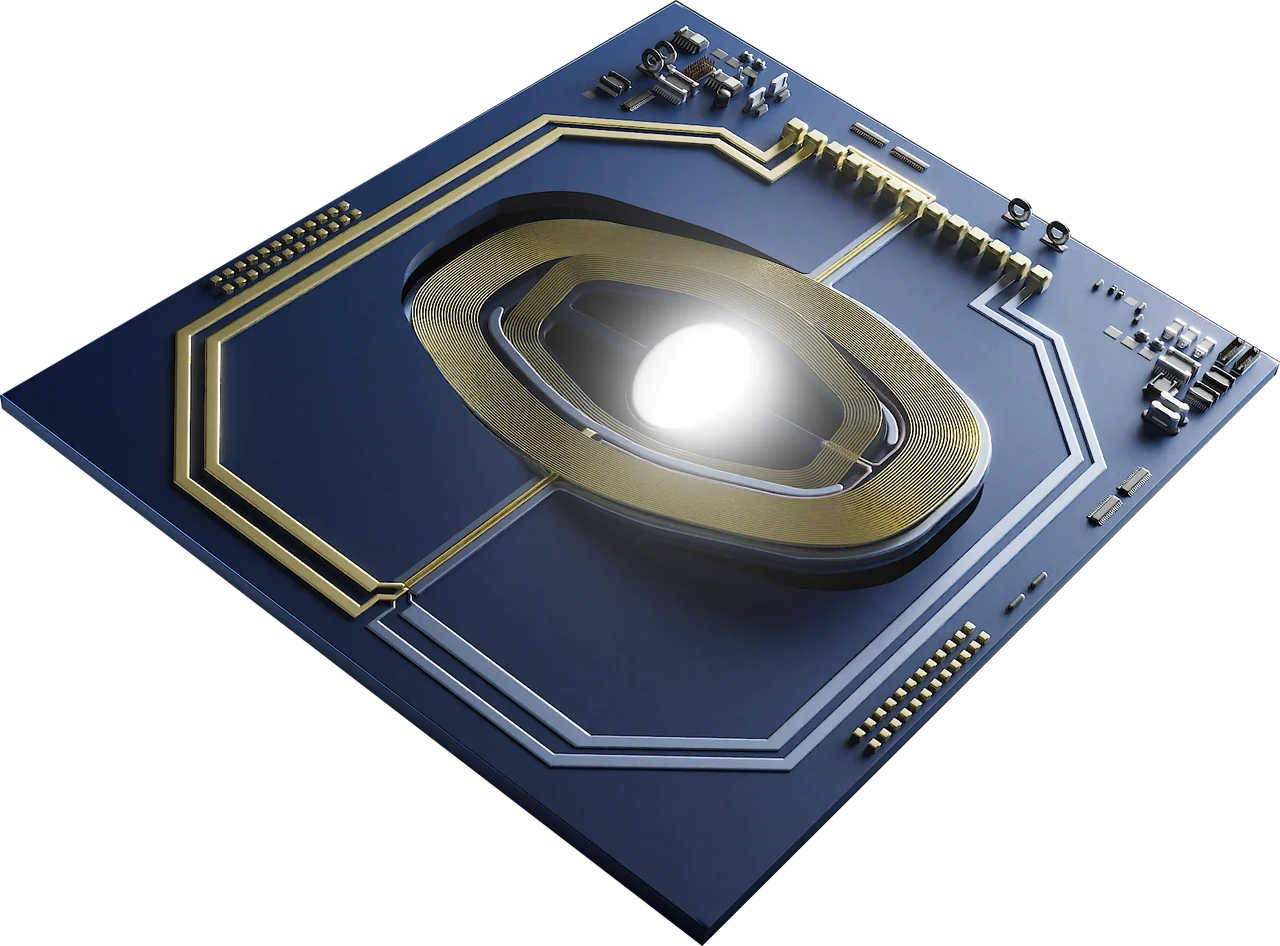
Ainstec brings together MEMS micromirrors, optical design, control electronics and module engineering. This technology base informs how we evaluate each projection integration.
Explore the team and technology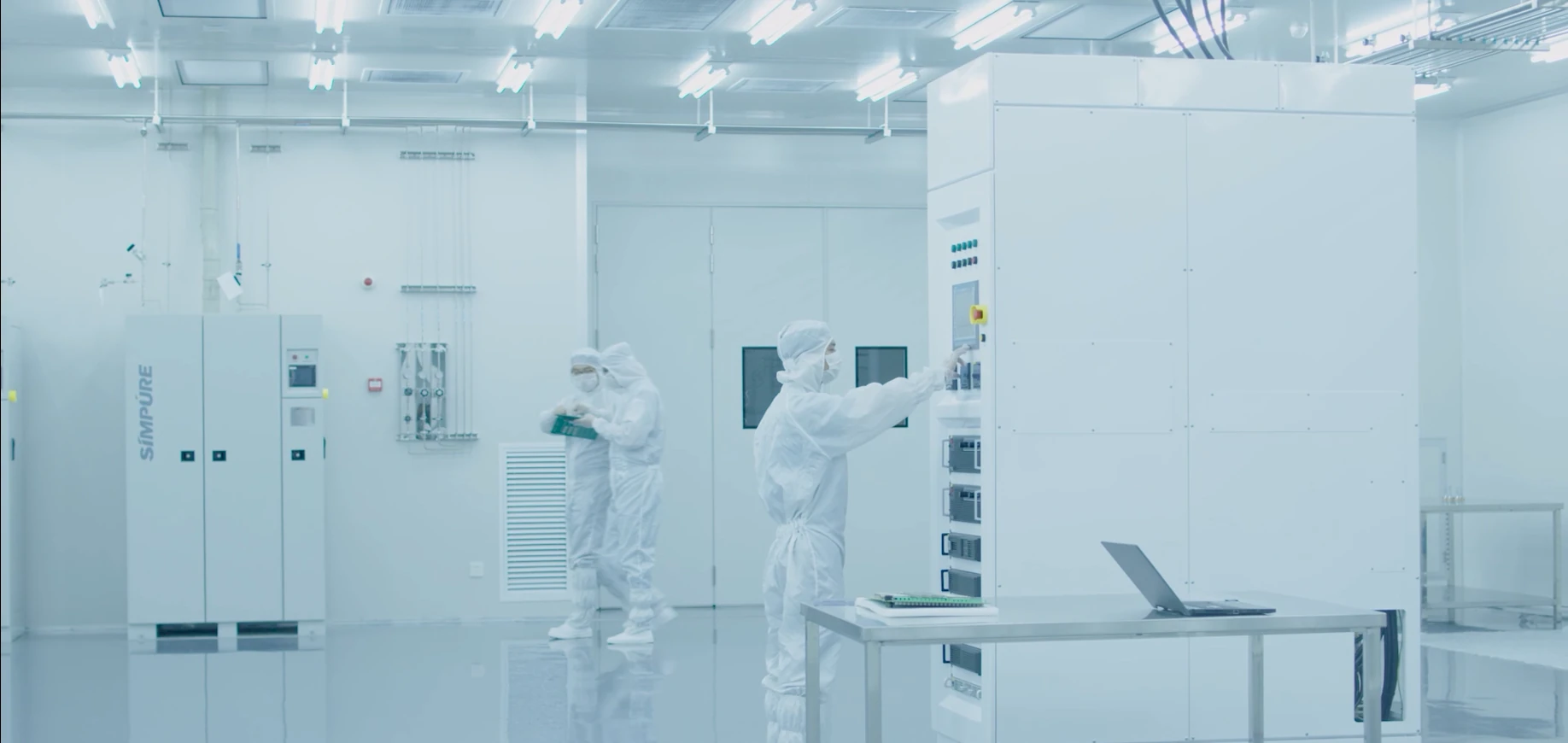
Scroll to explore · 4 photos
INTEGRATION SCOPE
A module discussion is more useful when the product owner, interfaces and validation responsibilities are clear.
Relevant projection approach, available module options and reference information are reviewed for the specific project.
Share the product architecture, installation position, intended market and system requirements.
Review interfaces, optical path, thermal conditions, environmental exposure and validation ownership.
ENGINEERING CHECK
Published dimensions, interfaces, power requirements and test conditions must match the module version. Request the applicable information during project review.
EVIDENCE & LIMITS
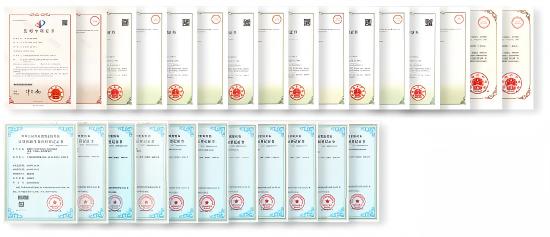
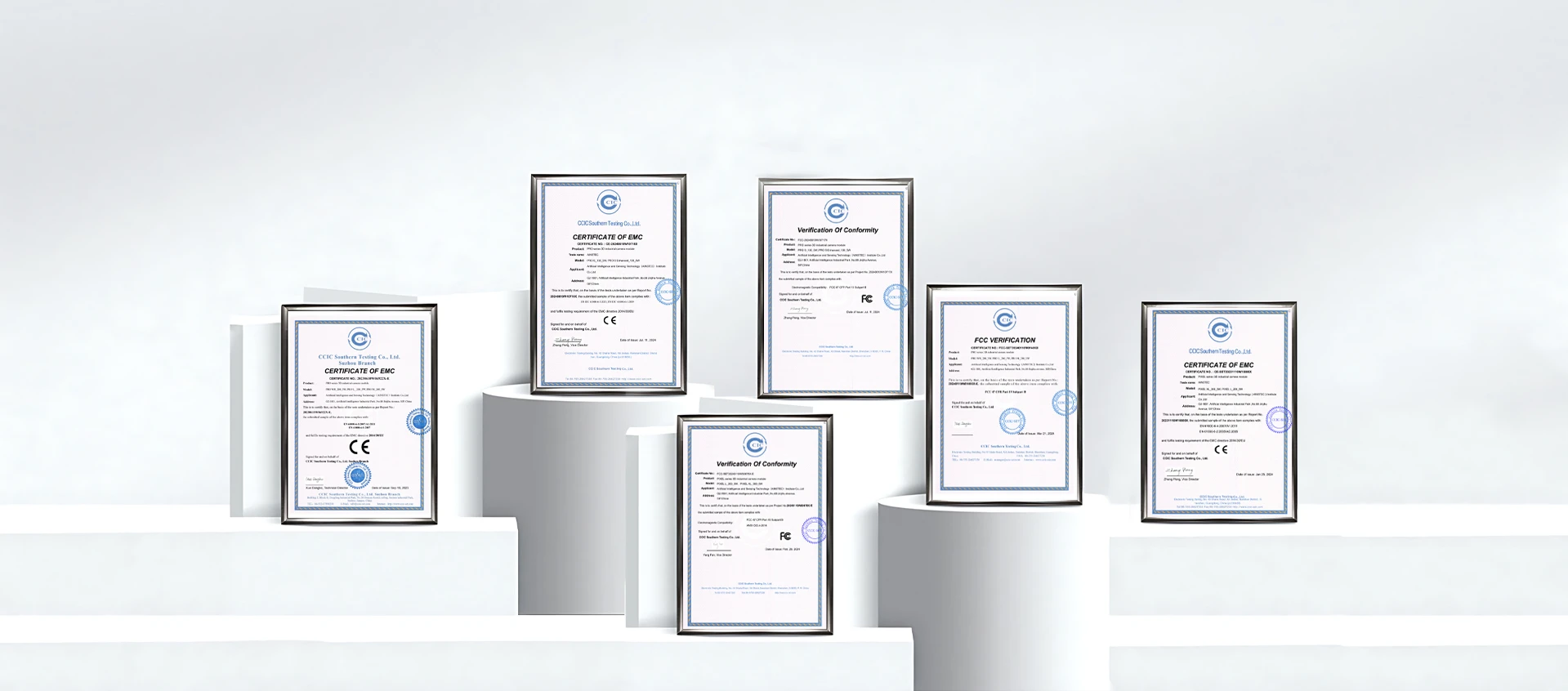
Technical specifications, test reports and compliance documents must identify the component or product version, test conditions and applicable market. A finished-device result should not be assumed to cover a new OEM integration.
Projection suitability depends on the viewing environment and system design. It does not replace required vehicle lighting or the customer's product-level validation.
Request relevant documentationDELIVERY CAPABILITY
Ainstec’s pilot production work supports module development and production planning. For each OEM project, sample scope, validation responsibilities and timing are defined together.
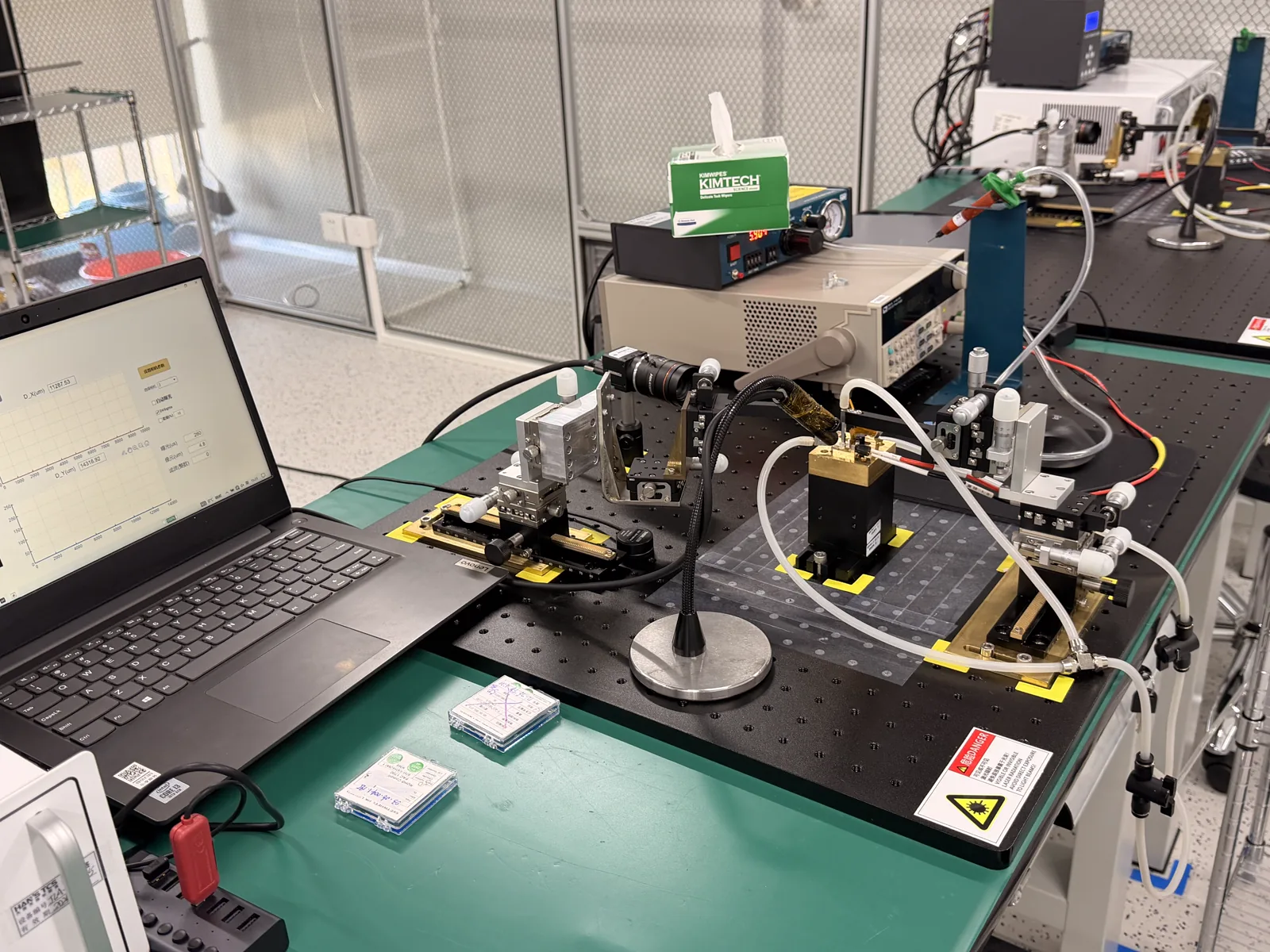
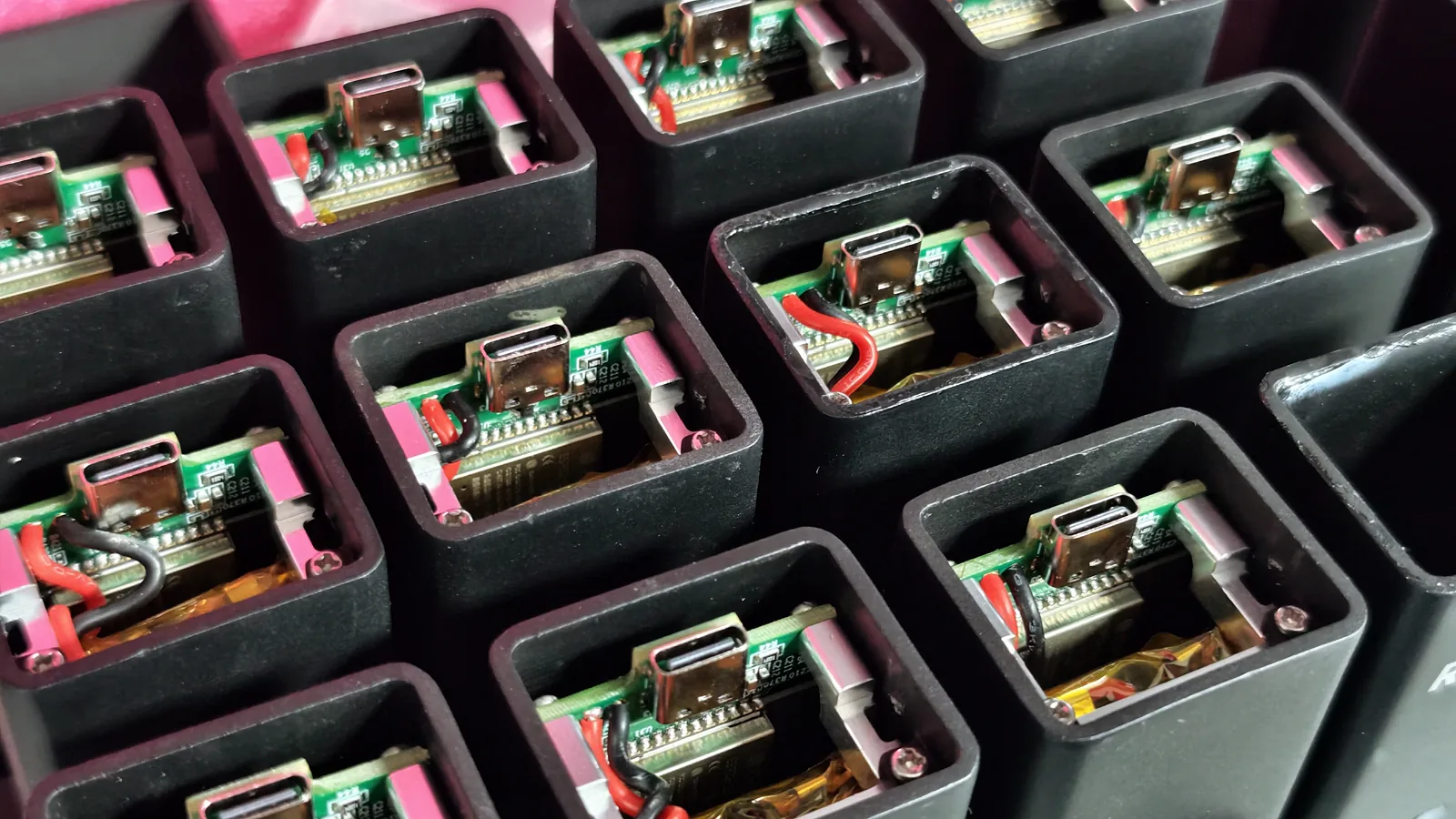
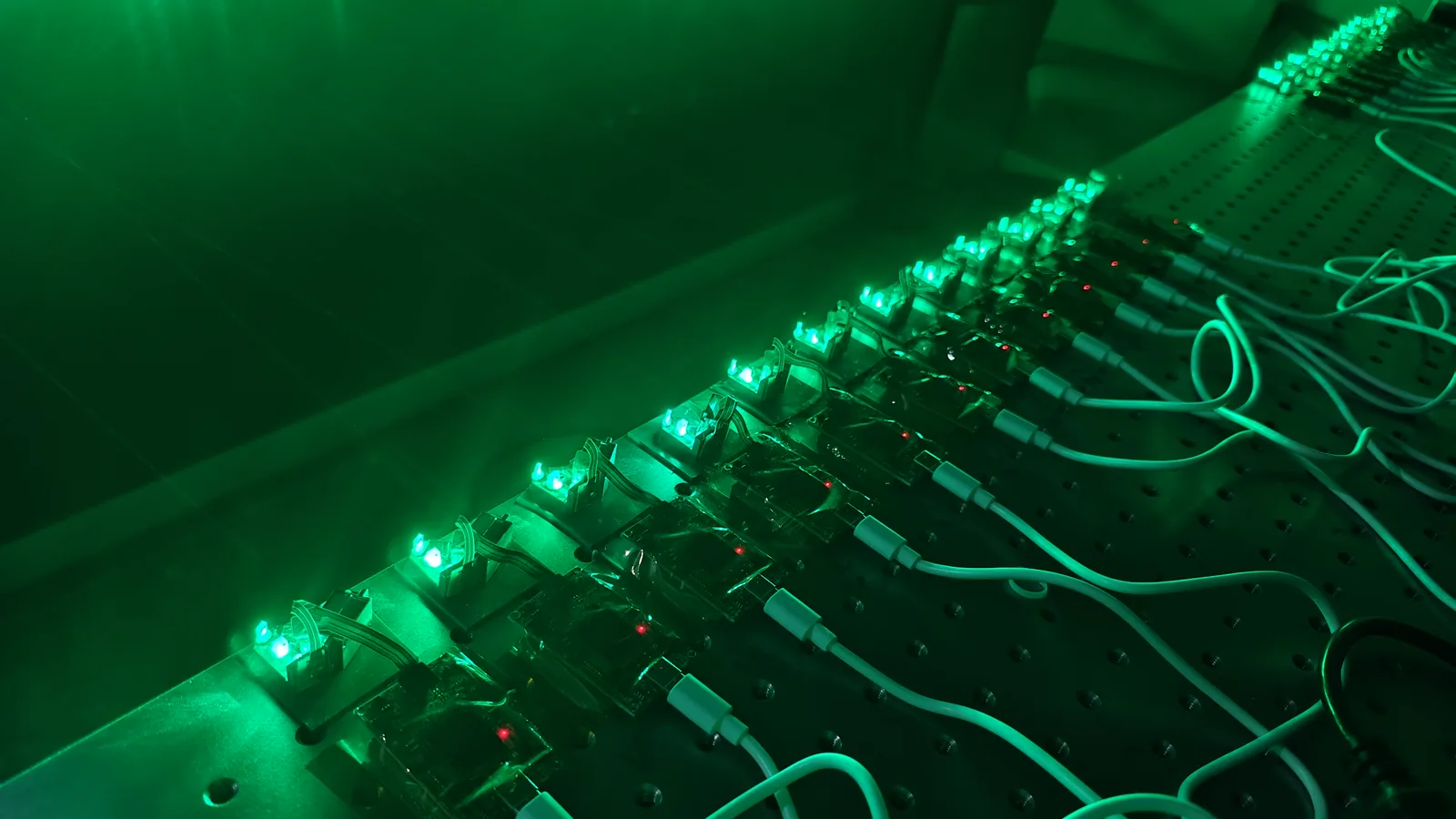
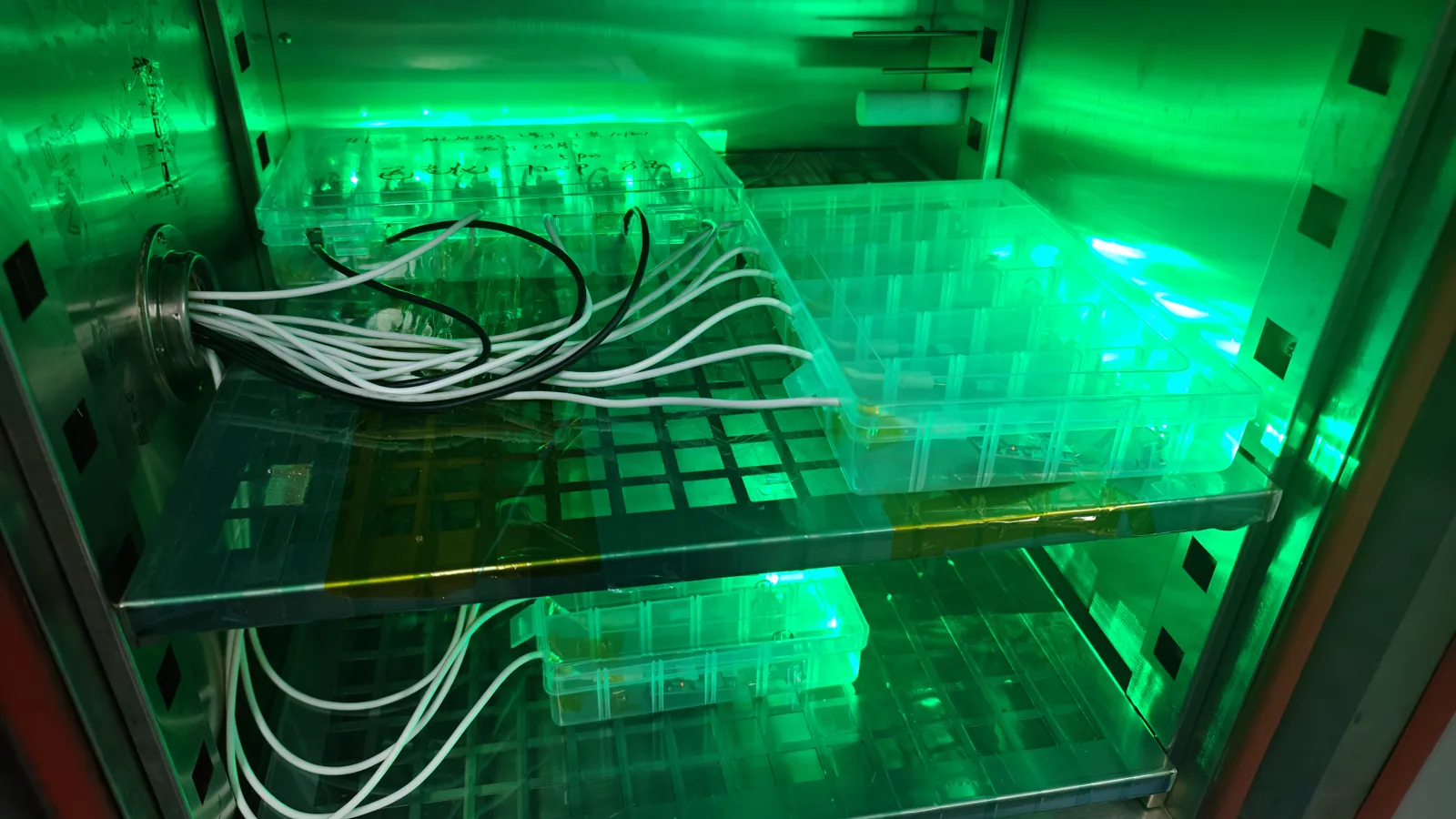
Scroll to explore · 4 photos
PROJECT FLOW
Describe your product, environment and intended projection.
Discuss architecture, constraints and available information.
Agree on samples, tests and responsibilities if the concept proceeds.
Define technical and commercial next steps with the right scope.
START A CONVERSATION
Describe your intended product, use case and operating environment. We’ll use this to identify the right technical follow-up.
No drawings or confidential documents are needed at this stage.