A rear bike light is essential for riding after dark. It helps drivers approaching from behind detect a cyclist, understand the rider’s approximate position, and respond earlier. In many regions, a red rear light is also part of the legal minimum for night cycling.
So, is a rear bike light enough?
For most urban night rides, the answer is no. A rear light mainly communicates in one direction: backward. Urban riders are also seen from the front, side, and at changing angles through junctions, driveways, parked vehicles, and turning traffic.
A complete visibility setup needs to do more than show that a light is present. It should help other road users detect the cyclist, recognize the cyclist, understand the cyclist’s direction, and anticipate possible movement.
Simple answer: a rear light is one foundation of night cycling visibility. It is not the whole visibility system.
What a rear bike light does well
A rear light has a clear and important purpose. It creates an active red signal that helps approaching traffic detect the cyclist from behind. Unlike reflective material, it does not depend on a vehicle’s headlights being directed toward it.
A rear bike light works best when it is fully charged, securely mounted, positioned near the bicycle’s centre line, aimed toward approaching traffic, free from dirt or damage, and uncovered by jackets, bags, or cargo.
A powerful light can still become ineffective if it points toward the ground or is hidden behind a saddle bag. Before riding, cyclists should check the rear light from several metres away rather than only confirming that it turns on.
The issue is not that rear lights are inadequate. The issue is that they solve one specific part of a much larger visibility problem.
What a rear light cannot show
A single red light cannot communicate the cyclist’s complete shape, direction, or intention. From behind, another road user may see a red point without immediately understanding how wide the bicycle is, whether the cyclist is moving straight, whether the rider is changing road position, how quickly the bicycle is travelling, or whether the rider is preparing to turn.
This becomes especially important in cities, where many interactions do not begin directly behind the cyclist. A vehicle may approach from a side road. A driver may turn across a cycle lane. A pedestrian may enter from the pavement. Another cyclist may approach from the opposite direction.
Rear bike light visibility is therefore only one layer of urban night cycling safety.
Night visibility must work from several directions
A practical visibility setup should consider at least three viewing directions.
Rear visibility
A red rear light and rear reflector help traffic approaching from behind detect the cyclist.
Front visibility
A white front light helps others detect the cyclist from ahead while also helping the rider see road conditions.
Side visibility
Wheel, tire, pedal, and ankle reflectors can help reveal the bicycle’s outline and movement from junctions or side streets.
The objective is not to attach the greatest possible number of lights. It is to create a clear and recognizable presence from the directions in which other people are likely to encounter the cyclist.
Reflective movement helps people recognize a cyclist
Detecting a light is not the same as recognizing a cyclist. A small red point could be mistaken for a stationary object, a distant vehicle, or another roadside signal. Human movement provides additional information.
Reflective material placed on the ankles, knees, shoes, or pedals moves in a characteristic cycling pattern. This movement can help another road user identify the object as a person pedalling a bicycle.
Useful locations for reflective cycling gear include ankles, lower legs, knees, shoes, pedals, wheel spokes, and tire sidewalls. A reflective vest can still be useful, but the torso remains relatively stable compared with the legs and pedals. The strongest setup often combines a visible upper-body area with reflective movement lower down.
Reflective equipment should supplement active bike lights rather than replace them. It only becomes visible when an external light source reaches it from a suitable angle.
Side visibility is especially important in cities
Urban night riders frequently pass through situations where a rear light is not facing the person who needs to see them. Examples include a vehicle leaving a driveway, a driver entering from a side street, a car turning through a junction, traffic crossing a cycle lane, or a vehicle pulling out of a parking space.
Side visibility can be improved through wheel reflectors, reflective tire sidewalls, pedal reflectors, reflective ankle bands, spoke-mounted reflective details, and side-facing lighting where permitted. Rotating wheels and moving pedals can communicate both the presence and direction of the bicycle.
A rear light may show that something is nearby. Side and motion cues help explain what that object is and how it is travelling.
Visibility must also communicate movement
A cyclist can be clearly visible but still difficult to understand. Other road users need time to interpret whether the cyclist will continue straight, move around a parked vehicle, enter another lane, slow down, turn at a junction, or leave a cycle path.
This information comes mainly from behavior rather than brightness. Useful habits include looking behind before changing position, signaling before turning, moving gradually rather than suddenly, avoiding prolonged time in vehicle blind spots, maintaining a predictable line, and reviewing major turns before the ride.
Visibility principle: a rear light communicates presence. Predictable riding communicates intention. Both matter.
More lights do not always mean clearer visibility
Adding several lights may seem like the simplest solution, but visual clarity matters more than quantity. Multiple unrelated flashing patterns can make it harder to judge the cyclist’s exact position, distance, speed, direction, and bicycle orientation.
A practical setup should create a coherent signal rather than visual noise. For many riders, a layered system is clearer than a crowded one because each layer has a defined purpose.
Where road projection fits
A bike projection display does not replace a rear light. It works in a different direction and performs a different function.
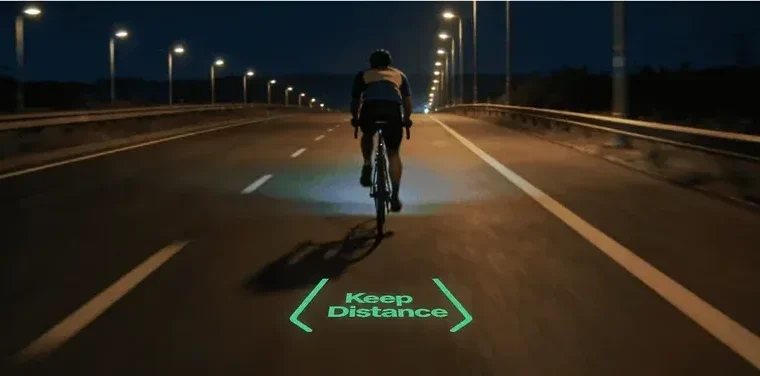
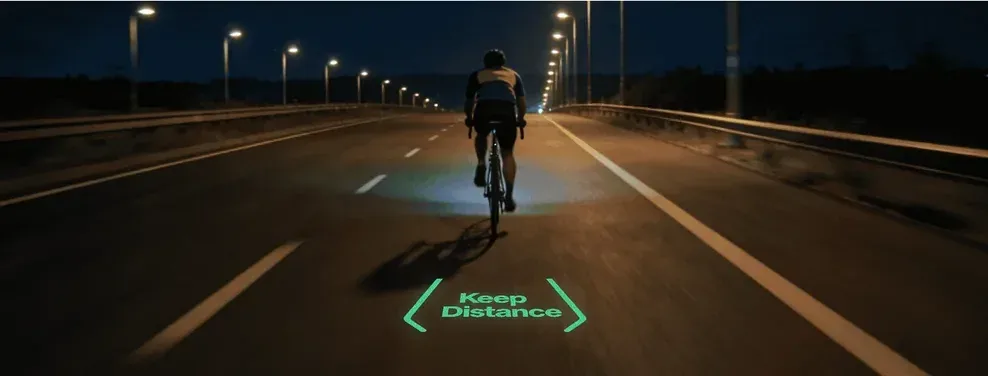
Cycling road projection places selected visual content onto the road ahead. Depending on the system and riding mode, that content may include directional cues, ride information, turn-related graphics, warning symbols, or customized visual content.
A rear light helps traffic behind the cyclist detect the rider. Road projection adds selected information to the forward riding environment. It should therefore be treated as a supplementary visual layer, not as a replacement for front lights, rear lights, reflectors, hand signals, or rider attention.
Projection visibility can change with ambient light, road color, road texture, weather, projection angle, viewing position, and local regulations. A projected image does not guarantee that every nearby road user will see or correctly interpret it.
How IRIS Green complements a night-riding setup
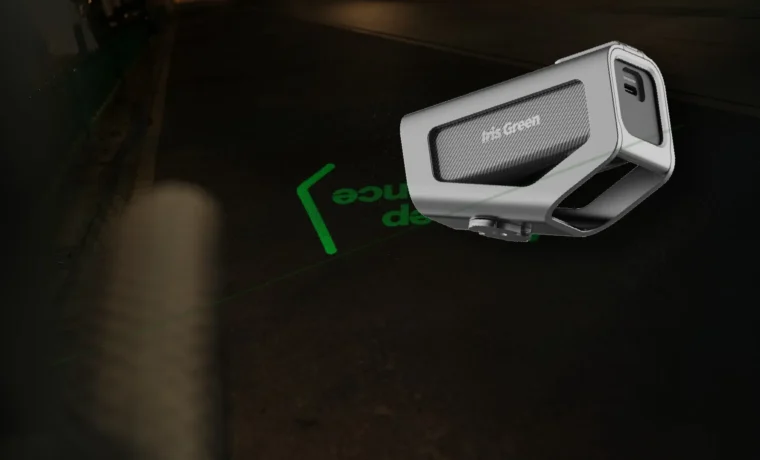
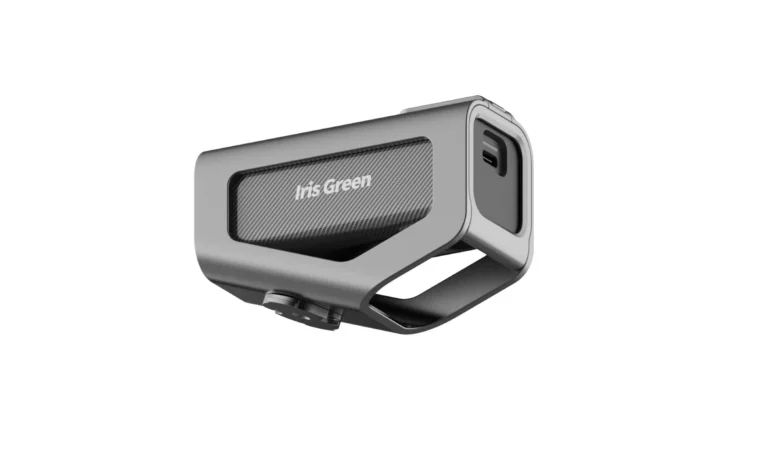
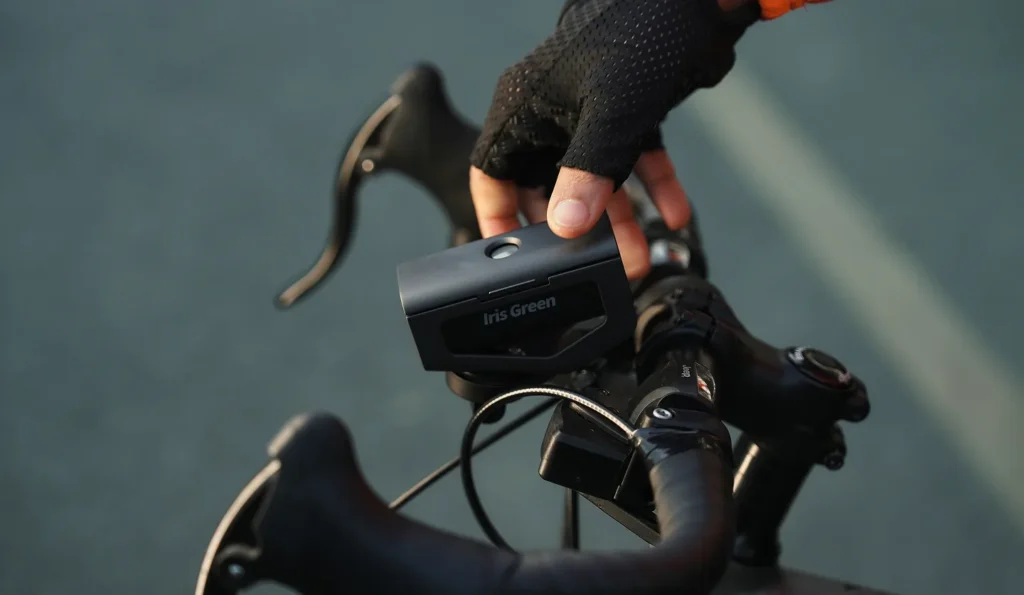
IRIS Green is a bike-mounted projection display developed for night and low-light riding. It is designed to place selected ride information and visual content onto the road ahead.
A complete setup may use a red rear light for detection from behind, a white front light for forward illumination and detection, reflective details for side and motion recognition, hand signals and predictable movement for communication, and IRIS Green for selected projected information and visual content.
IRIS Green does not solve rear visibility and does not replace legally required bicycle lighting. Its role is to add a different type of visual interface to the riding environment.
Quick night-ride visibility check
Before leaving, confirm that:
- The rear light is charged and unobstructed.
- The front light is correctly aimed.
- Required reflectors are clean and installed.
- The bicycle can be recognized from the side.
- Reflective movement is visible around the legs or pedals.
- Clothing and luggage do not cover any lights.
- Major turns and route changes have been reviewed.
- Display settings are configured before riding.
- A backup light is available for longer journeys.
Frequently asked questions
Is one rear bike light enough for night cycling?
A rear light is essential, but it mainly provides detection from behind. Riders should also consider a front light, reflectors, side visibility, reflective movement, and predictable riding behavior.
How can cyclists improve side visibility?
Wheel reflectors, reflective tire sidewalls, pedal reflectors, spoke reflectors, and reflective ankle bands can make the bicycle and its movement easier to recognize from the side.
Are two rear lights better than one?
A second light can provide backup if the primary light fails. However, both lights should remain clearly positioned and should not create confusing or excessive flashing patterns.
Is reflective clothing enough without bike lights?
No. Reflective material depends on an external light source. It should supplement active front and rear lights rather than replace them.
Does cycling road projection replace a rear light?
No. Road projection is a supplementary visual interface. It does not replace required front or rear lighting, reflectors, signaling, or rider attention.
Conclusion
A rear bike light is one of the foundations of night cycling visibility. It helps approaching traffic detect the cyclist from behind, but it cannot independently communicate the rider’s complete shape, direction, or intention.
A complete visibility setup also considers forward detection, side recognition, reflective movement, bicycle outline, predictable positioning, and clear signals. Road projection can add selected visual information to this system, but it serves a different role from a rear light.
The most useful way to think about night cycling visibility is this: a rear light signals that a rider is present. A complete visibility system helps others recognize the cyclist, understand the direction of travel, and anticipate movement.
See road projection in action.
IRIS Green projects navigation, ride data, visible signals, and personal visuals onto the road ahead.
Explore IRISGreen